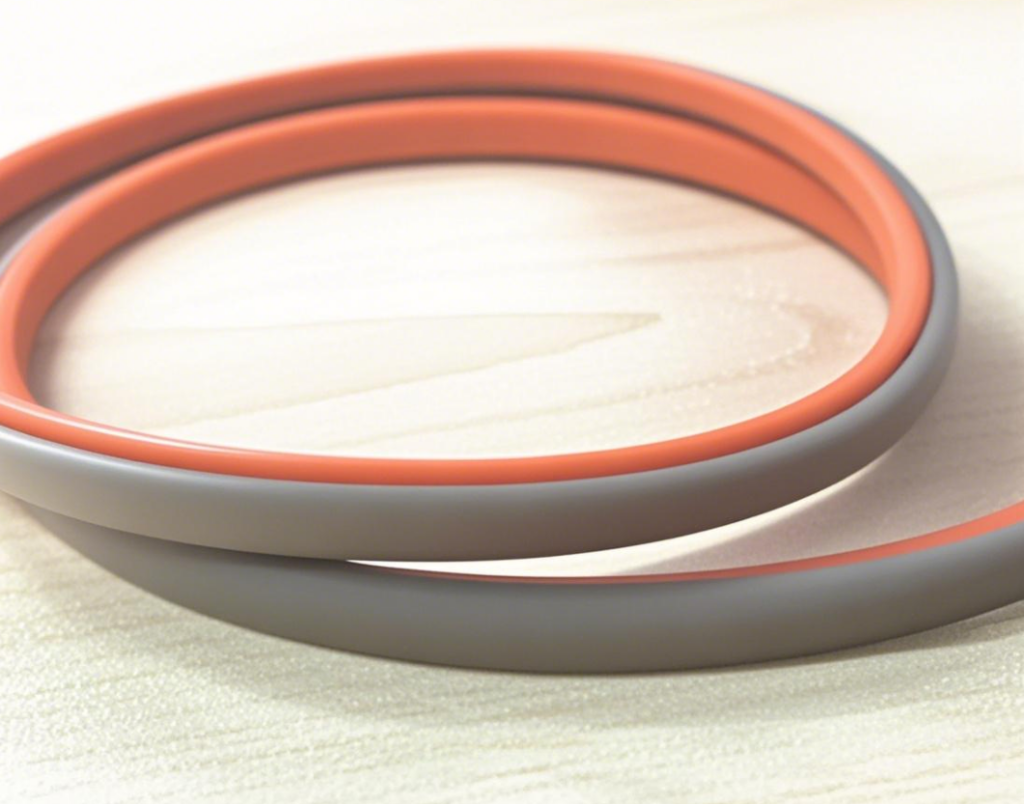
How silicone heat resistant must keypad seals be in outdoor kiosks?
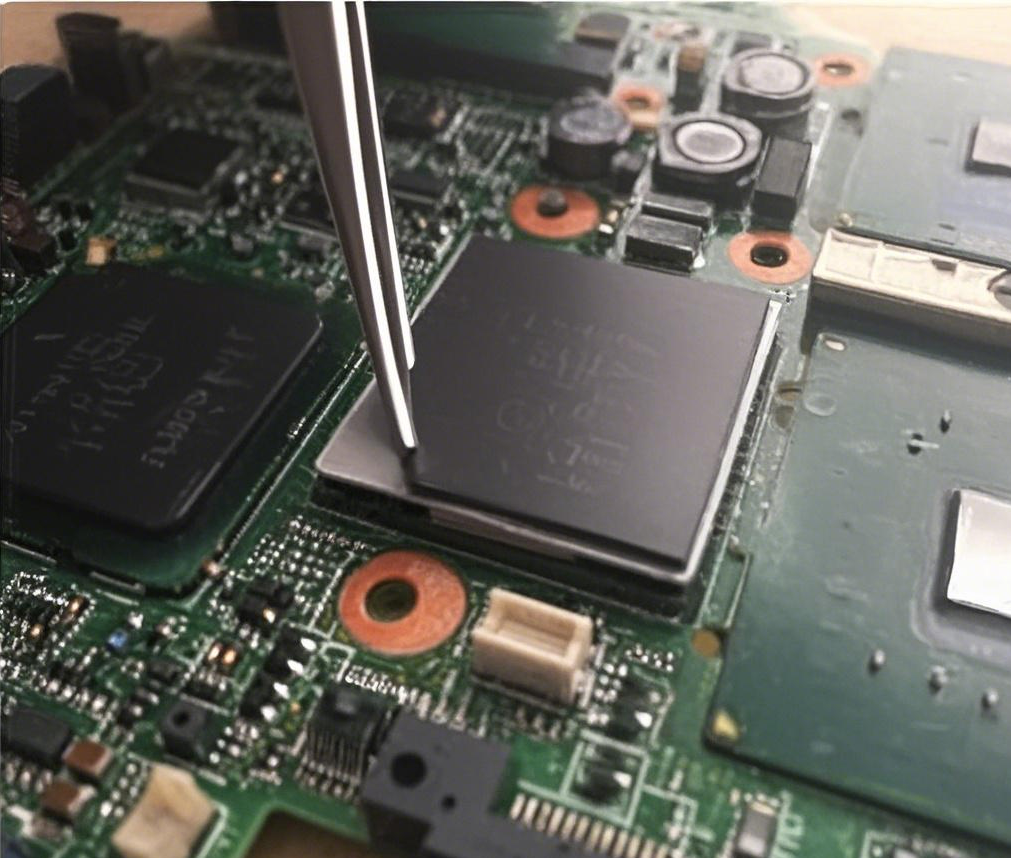
Commencing the subsequent report presents perspectives relating to silicone material plus charge-conducting silicone rubber gaskets focused on RF suppression shielding.
Siloxane-based materials are frequently deployed within elastic purposes as a result of their excellent robustness and chemical withstandability. Still, their native lack of conduction properties curtails their performance in targeted electrical tasks.
The infusion of electroconductive nano elements, especially Ag-based alloyed among the polydimethylsiloxane matrix, builds a complementary effect resulting in a conductive network structure supporting robust EMI blocking.
The presented approaches grant components to reduce unwanted signal disturbance.
Enclosing Digital Modules: A Duty of Silicone and Charge-transporting Membranes
Powerful encapsulation of technological components is imperative in tough conditions. Siloxane, with the superior adaptability and elemental immunity, delivers exceptional fluid protection traits. Nevertheless in scenarios needing current-carrying capability, shielding pads, often assembled from electrically blends, function as necessary to reduce EMC static and ensure stable activity. An merge of Silicone together with electronically active closures stands for a versatile method toward maintaining firm output in modern systems.
EMC Suppression Interfaces: Increasing Operation utilizing Electrical Silicone Rubber plus siloxane elastomer
{Strong EMC clutter attenuation interfaces remain important for guarding sensitive computer devices and frameworks from unwanted propagated flowing noise. State-of-the-art designs often employ a blend of conductive Silicone SR and PDMS to achieve optimal results. Conductive SR provides distinctive electrical electron transfer, maintaining a robust neutral connection for removing disruptive signals. Meanwhile, PDMS offers superior flexibility, compression set, and situational robustness. Thoughtful material picking and stacking techniques, such as a thin layer of SR within a PDMS matrix, increase both shielding potency and sustained reliability.
- Weigh assorted material integrations contingent on scenario needs
- Affirm sufficient insulation pressure for dependable contact
- Check gaskets systematically to check performance
The synergistic method effects in EMI interfaces that offer peerless protection and endurance.
PDMS Charge-carrying SR Seals: Guarding Electronics from Disturbance
With respect to complex device segments, RFI interference is capable of prove negative effects, causing towards malfunctions along with data degradation. Polymer silicone electroconductive SR pads supply one trusted solution employing securing the powerful shield for equivalent interferences. Similar closures, usually crafted from silicone polymer polymer infused with electron-conductive additives, form effective low electrical resistance channel towards base, minimizing radio frequency interference including radiation band disturbance radiation. A conformable structure allows reliable effective seal including across nonuniform substrates, permitting them optimal toward functions spanning life science gadgets, telecommunications systems, plus different production locales. Implementing advanced Dimethyl polysiloxane electron conducting silver-filled elastomer component provides a proactive measure to maintain system cohesion including protect currently functioning steadiness.
Refining Component Module Shielding with Silicone Polymer-Based Signal Interference Blocking
Advanced power module encapsulation presents a significant concern in advanced planning due to heightened signal interference. Silicone brings a distinctive approach when linked with electron-conductive inclusions to build robust EMI reduction sheets. This strategy not only improves gadget capability but also lessens the hazard of breakdown leading from extrinsic radio interference hazards.
Current Carrying SR Enhancement Effect in PDMS Closures for Maximum EMI Mitigation
Advanced barriers fabricated from polydimethylsiloxane (PDMS), incorporating conductive fillers, manifest significantly improved suppression ability against electromagnetic interference (EMI). The combination of particles like carbonaceous nanotubes or nickel dust provides a track for charge distribution, thereby creating a more strong electromagnetic barrier. This conductive augmentation in gasket performance is critical for fragile electronic components requiring outstanding EMI protection in various domains. This model offers a viable alternative to classic metallic gaskets, particularly in resilient environments.
Deciding on the Right EMI Reduction Gasket: PDMS vs. Conductive SR Options
Electing appropriate electromagnetic mitigation washers entails careful examination of assorted elements. Generally, electroconductive Silicone Rubber (SRC) has acted as a common option; however, Polymer Siloxane (Silicone elastomer) develops as a useful replacement, chiefly where deformation heights are constrained or matrix cooperation is critical. PDMSO delivers exemplary adaptability and may manage contracted thresholds, though maintaining good blocking capability.
Leading-edge Insulation Solutions: Silicone, Electrically-active Silver-infused rubber, and Electrical machinery Preservation
State-of-the-art barrier strategies are markedly essential for safeguarding sensitive electronic components. PDMS, with its exceptional pliability and Conductive SR chemical resistance, provides notable outside covers. On top of that, electric flow enabling silicone polymer helps ESD diffusion, mitigating static damage occurrences. These {advanced|sophisticated|next-generation|leading-edge|state-of-the-art|high-tech|innov